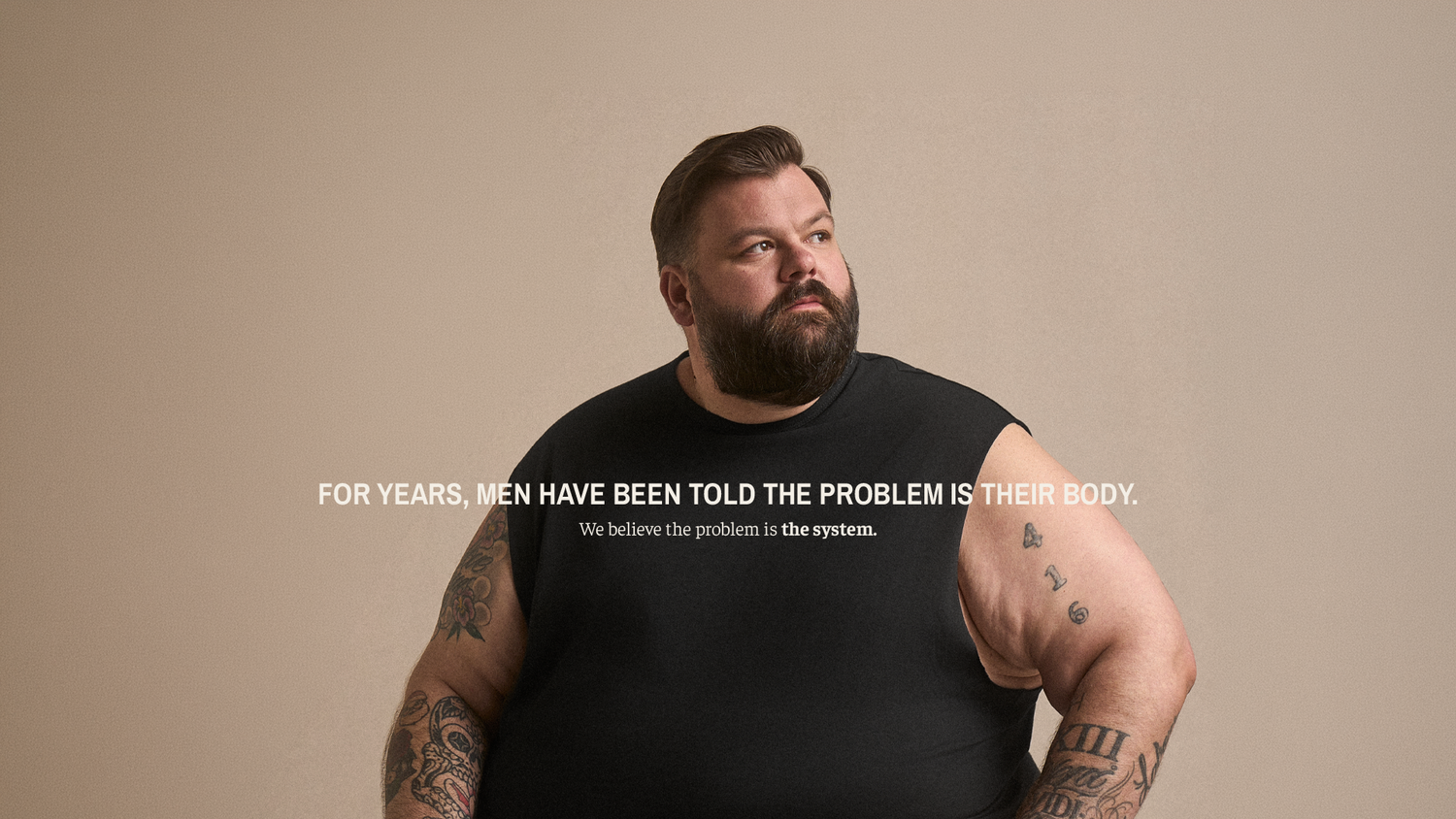



A better fit starts with the customer.
ONE BONE makes menswear for bodies that standard sizing often overlooks. Based in Montréal, the brand puts fit, comfort and confidence at the centre of its customer experience.
That experience continues after checkout. The right size needs to be available, the right item needs to leave the warehouse, and shipping needs to make sense for both the customer and the business.
ONE BONE moved from ShipStation, spreadsheets, pen and paper to Logentic, bringing its logistics into one platform—from suppliers and receiving to fulfillment, shipping and returns.
A transition with people behind it.
Changing systems also means changing how a warehouse works. Logentic and ONE BONE worked through the practical details together: inventory counts, SKU organisation, warehouse mapping, equipment and the workflows the team would use each day.
The transition had a learning curve. Through hypercare calls and direct support, the teams reviewed what was slowing people down and adjusted the rollout. Additional carrier changes were paced around the warehouse’s readiness.
- 01Prepare the operation. Align inventory, product data and the warehouse setup before introducing new routines.
- 02Support the team through the change. Work through real picking, packing and shipping questions together.
- 03Keep improving after go-live. Use regular check-ins to resolve friction and prioritise the next changes.
Find the discrepancy before it becomes a disappointed customer.
For an apparel brand, inventory accuracy is about the exact style and size. ONE BONE and Logentic reviewed stock discrepancies, traced quantities back to receiving records and worked through the warehouse practices that could cause inventory to drift.
By a July check-in, the warehouse team reported fewer stockouts, including none during that particular week. It was an encouraging signal as the team became more familiar with the system.
More reliable inventory supports better order fulfillment and less rework.
A sale is only profitable if fulfillment makes sense.
Margin can disappear in extra handling, inventory mistakes and an expensive shipping choice. The work with ONE BONE extended beyond getting a label printed to understanding the decisions behind each shipment.
Logentic analysed historical shipping data to compare carrier options. When operational records and financial reporting raised questions, the teams investigated together rather than treating them as separate conversations.
The goal: give ONE BONE a clearer basis for deciding where to spend, where to improve a process and where a lower shipping rate is worth testing.
50% less on Canada-to-US shipping.
Shipping is one of the clearest places to protect margin. With Logentic, ONE BONE now saves 50% on shipping from Canada to the US.
Lower cross-border shipping costs with Logentic.
That gives ONE BONE more room in the economics of each US-bound order. As cross-border volume grows, the value of a lower shipping cost grows with it.
In Canada, Logentic helped ONE BONE compare regional carriers with existing services, work through pickup arrangements and choose options that balance cost and service.
For the US, lower shipping costs add to the value of the broader logistics relationship. ONE BONE can work with Logentic on its warehouse operation, shipping choices and cross-border requirements together.
Support that continues after the switch.
ONE BONE’s team had a direct channel to Logentic, alongside onboarding walkthroughs and recurring operational check-ins. Inventory questions, packing friction and carrier issues became shared work.
That hands-on relationship matters when a new system meets a real warehouse. The team can raise what is happening on the floor, work through it with Logentic and keep refining the process.